
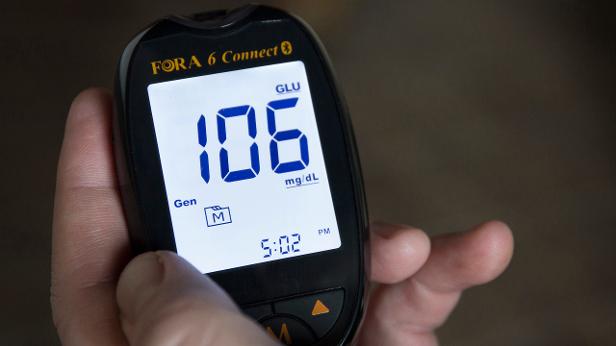

Top 5 Smallest Blood Glucose Meters
One of the benefits of technology is that clever things can come in surprisingly small packages - meaning blood glucose meters are getting smaller.
Many of today’s blood sugar meters are small, discreet and easy to use. Most blood test meters do the basics and do them well - almost all meters on the market have fast test-times, small blood sample requirements and downloadable results.
The smallest meters
For many people, the blood test machine they choose is down to what they are familiar with. Some people stick with the same manufacturer, some like to adopt the latest technology such as Contour USB and some people just listen to what their healthcare team recommends.
For many people however, having something portable, light and preferably pocket-sized is high on the agenda.
For that reason, we've selected the top 5 smallest blood glucose meters on the market in the UK. Many of the meters are very recent - with some, including the Contour NEXT USB and Accu-Chek Mobile, leading the way in terms of innovation.
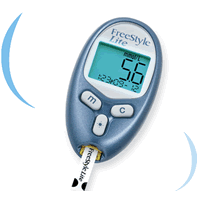
1. Abbott Diabetes Care Freestyle
The Abbott Diabetes Care Freestyle Lite is a stylish, discreet blood glucose meter. An easy-to-use machine, there is no coding required to make it work.
Sometimes referred to as a micro-meter or a mini meter, it fits into the palm of the hand, with room to spare while the screen is actually quote a big part of the design (good for kids and adults alike).
The hole you put the test strip in has a dash of yellow to help you load the strip into the right place while its rubber ‘bum’ means the meter won’t slide about while you’re using it.

2. Bayer's Contour NEXT USB
From Bayer, the Contour USB was released in 2010 and holds a rather whopping 2,000 test results. The point is to make it ‘plug & play’ so you an access and assess your blood sugar trends more easily than ever before - you just plug it directly into the USB drive of your computer or laptop.
The CONTOUR USB meter is fast and efficient, taking just five seconds to test with a tiny blood sample of 0.6 microlitres. It's getting great reviews from the community, too.
The meter weighs just 1.75 ounces, is 3 and ¾ inches long and 1 and 1 ¼ inches wide. In terms of size, you won't get much smaller, or cooler, than this.
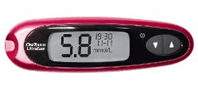
3. Lifescan’s One Touch UltraEasy
Lifescan’s One Touch UltraEasy is marketed as having a small, sleek design so it fits in a pocket or purse. What's more, One Touch UltraEasy gives its test result in just 5 seconds and there is a 2-way scrolling button for simple navigation and a 500-test memory.
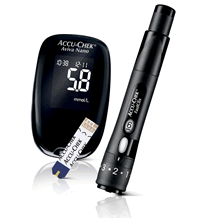
4. Accu-Chek Aviva Nano
At 7cm tall and weighing in at 40g, the Accu-Chek Aviva Nano from Roche is a treat when it comes to blood glucose testing, ideal for fast results. If you have to test, then you might as well use a cool gadget to do so.
The Aviva Nano has a discreet glow in the dark meter display, and includes a proven less painful Multiclix finger pricker incorporating Clixmotion technology.
The Accu-Chek Aviva Nano allows people with diabetes to test in half the steps, with lancets included in a pre-loaded drum.
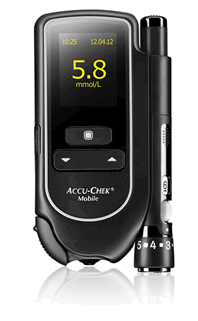
5. Accu-Chek Mobile
The Accu-Chek Mobile is another of technology's wonders. Similar to the Nano, the Mobile is a tiny device with strip-free testing.
Accu-Chek's Mobile device conducts blood glucose testing through a strip of reactive tape on a cassette - with each cassette lasting 50 tests. With a 0.3 microlitre sample size, this no coding device brings results to you within 5 seconds.
The Mobile lasts for months on just 2 AAA batteries and works with Accu-Chek’s Smart Pix technology for downloading and recording data. When buying the Mobile in the UK, customers get a voucher for a free carry case, too.
With a 2,000 test memory, you'll be able to use your data to understand trends and patterns in your blood glucose levels. The Accu-Chek Mobile has won 2 consecutive Red Dot Design awards for its innovative and intuitive design and overall quality.
Cassettes and Fastclix lancet drums are available on prescription.
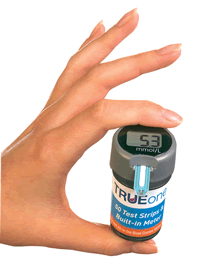
Stop press: We know that we originally were going to discuss the top 5 smallest blood glucose meters, but we managed to get our hands on the Home Diagnostics TRUEone - the world's smallest blood glucose meter.
6. TRUEone from Home Diagnostics
Home Diagnostics (UK) have released the TRUEone blood glucose meter which is the world’s smallest blood glucose meter.
Designed to fit the needs of people with diabetes that test regularly, as it’s small enough to fit in a pocket, handbag or sports bag, so you can quickly test their blood glucose levels no matter where you are.
This is a paragraph. To edit this paragraph, highlight the text and replace it with your own fresh content. Moving this text widget is no problem. Simply drag and drop the widget to your area of choice. Use this space to explain the products you offer and why your site visitors need them.
Eating certain foods while limiting others can help people with diabetes manage their blood sugar levels.
A diet rich in vegetables, fruits, and healthful proteins can have significant benefits for people with diabetes.
Balancing certain foods can help maintain health, improve overall well-being, and prevent future complications.
A healthcare professional, such as a doctor or dietitian, can work with people who have type 1 diabetes or type 2 diabetes to find the most beneficial food choices that work for them.
This article looks at some of the best foods for people with diabetes to eat, as well as which foods to limit or balance in the diet.
Diet for diabetes

People with diabetes can manage their blood sugar levels by making beneficial food choices.
Living with diabetes does not have to mean feeling deprived. People can learn to balance meals and make healthful food choices while still including the foods they enjoy.
Both sugary and starchy carbohydrates can raise blood sugar levels, but people can choose to include these foods in the right portions as part of a balanced meal plan.
For those with diabetes, it is important to monitor the total amount of carbohydrates in a meal. Carbohydrate needs will vary based on many factors, including a person's activity levels and medications, such as insulin.
A dietitian can recommend specific carbohydrate guidelines to best meet a person's needs. However, as a general rule, people should try to follow the Academy of Nutrition and Dietetics' MyPlate guidelines and include no more than a quarter plate of starchy carbs in one meal.
For people who have diabetes, the key to a beneficial diet, according to the American Diabetes Association (ADA), is as follows:
- Include fruits and vegetables.
- Eat lean protein.
- Choose foods with less added sugar.
- Avoid trans fats.
Below is a list of some fruits, vegetables, and foods with less added sugar.
1. Green leafy vegetables
Green leafy vegetables are packed full of essential vitamins, minerals, and nutrients. They also have minimal impact on blood sugar levels.
Leafy greens, including spinach and kale, are a key plant-based source of potassium, vitamin A, and calcium. They also provide protein and fiber.
Some researchers say that eating green leafy vegetables is helpful for people with diabetes due to their high antioxidant content and starch-digesting enzymes.
Green leafy vegetables include:
- spinach
- collard greens
- kale
- cabbage
- bok choy
- broccoli
One small-scale study suggested that kale juice may help regulate blood sugar levels and improve blood pressure in people with subclinical hypertension. In the study, people drank 300 milliliters of kale juice per day for 6 weeks.
People can include green leafy vegetables in their diet in salads, side dishes, soups, and dinners. Combine them with a source of lean protein, such as chicken or tofu.
2. Whole grains
Whole grains contain high levels of fiber and more nutrients than refined white grains.
Eating a diet high in fiber is important for people with diabetes because fiber slows down the digestion process. A slower absorption of nutrients helps keep blood sugar levels stable.
Whole wheat and whole grains are lower on the glycemic index (GI) scale than white breads and rice. This means that they have less of an impact on blood sugar.
Good examples of whole grains to include in the diet are:
- brown rice
- whole-grain bread
- whole-grain pasta
- buckwheat
- quinoa
- millet
- bulgur
- rye
People can swap white bread or white pasta for whole-grain options.

Is it safe for a person with diabetes to eat sweets?
In this article, we take a look at how people with diabetes can include sweets as part of a healthful diet.
READ NOW
3. Fatty fish
Fatty fish is a healthful addition to any diet. Fatty fish contains important omega-3 fatty acids called eicosapentaenoic acid (EPA) and docosahexaenoic acid (DHA).
People need a certain amount of healthful fats to keep their body functioning and to promote heart and brain health.
The ADA report that a diet high in polyunsaturated and monounsaturated fats can improve blood sugar control and blood lipids in people with diabetes.
Certain fish are a rich source of both polyunsaturated and monounsaturated fats. These are:
- salmon
- mackerel
- sardines
- albacore tuna
- herring
- trout
People can eat seaweed, such as kelp and spirulina, as plant-based alternative sources of these fatty acids.
Instead of fried fish, which contains saturated and trans fats, people can try baked, roasted, or grilled fish. Pair with a mix of vegetables for a healthful meal choice.
4. Beans
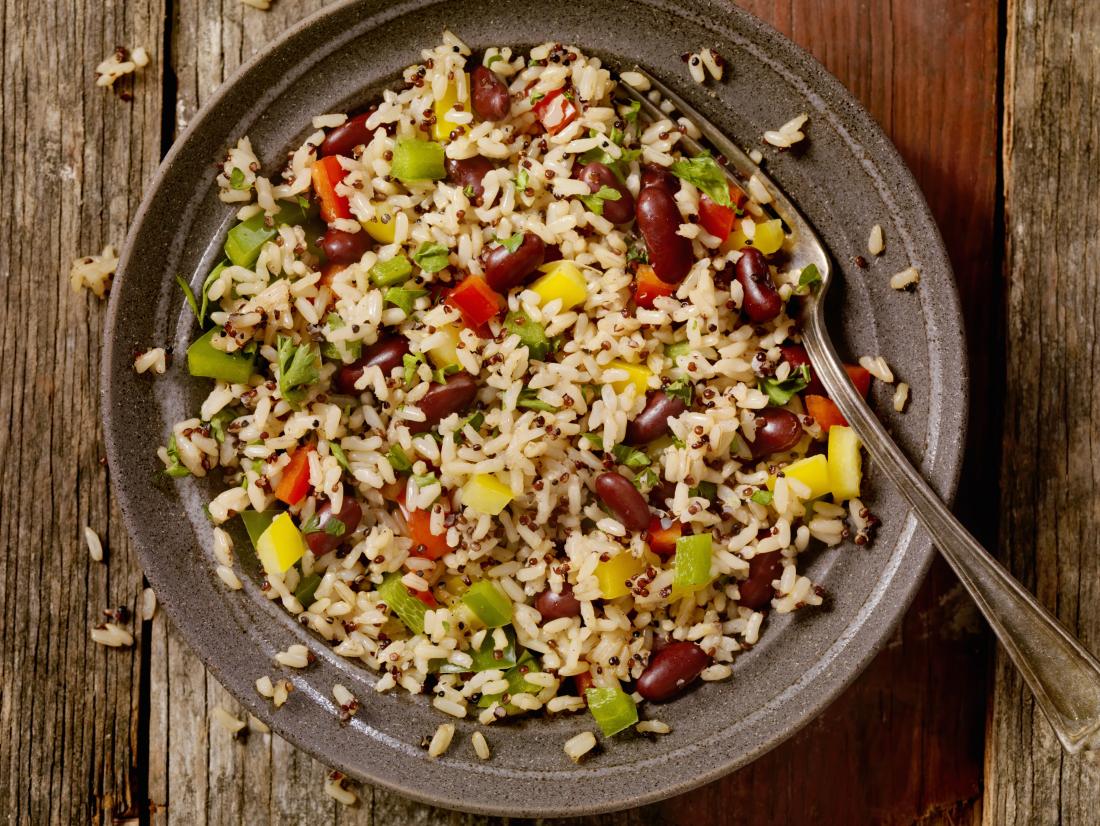
People can try adding kidney beans to a healthful salad.
Beans are an excellent food option for people with diabetes. They are source of plant-based protein, and they can satisfy the appetite while helping people reduce their carbohydrate intake.
Beans are also low on the GI scale and are better for blood sugar regulation than many other starchy foods.
Also, beans may help people manage their blood sugar levels. They are a complex carbohydrate, so the body digests them slower than it does other carbohydrates.
Eating beans can also help with weight loss and could help regulate a person's blood pressure and cholesterol.
There is a wide range of beans for people to choose from, including:
- kidney beans
- pinto beans
- black beans
- navy beans
- adzuki beans
These beans also contain important nutrients, including iron, potassium, and magnesium.
Beans are a highly versatile food choice. People can include a variety of beans in a chili or stew, or in tortilla wraps with salad.
When using canned beans, be sure to choose an option with no added salt. Otherwise, drain and rinse the beans to remove any added salt.
5. Walnuts
Nuts are another excellent addition to the diet. Like fish, nuts contain healthful fatty acids that help keep the heart healthy.
Walnuts are especially high in omega-3 fatty acids called alpha-lipoic acid (ALA). Like other omega-3s, ALA is important for good heart health.
People with diabetes may have a higher risk of heart disease or stroke, so it is important to get these fatty acids through the diet.
A study from 2018 suggested that eating walnuts is linked with a lower incidence of diabetes.
Walnuts also provide key nutrients, such as protein, vitamin B-6, magnesium, and iron.
People can add a handful of walnuts to their breakfast or to a mixed salad.
Learn about other beneficial nuts for diabetes here.
6. Citrus fruits
Research has shown that citrus fruits, such as oranges, grapefruits, and lemons, have antidiabetic effects.
Eating citrus fruits is a great way to get vitamins and minerals from fruit without the carbohydrates.
Some researchers believe that two bioflavonoid antioxidants, called hesperidin and naringin, are responsible for the antidiabetic effects of oranges.
Citrus fruits are also a great source of:
- vitamin C
- folate
- potassium
Learn about other beneficial fruits for diabetes here.
7. Berries
Berries are full of antioxidants, which can help prevent oxidative stress. Oxidative stress is linked with a wide range of health conditions, including heart disease and some cancers.
Studies have found chronic levels of oxidative stress in people with diabetes. Oxidative stress occurs when there is an imbalance between antioxidants and unstable molecules called free radicals in the body.
Blueberries, blackberries, strawberries, and raspberries all contain high levels of antioxidants and fiber. They also contain important other vitamins and minerals, including:
- vitamin C
- vitamin K
- manganese
- potassium
People can add fresh berries to their breakfast, eat a handful as a snack, or use frozen berries in a smoothie.
8. Sweet potatoes
Sweet potatoes have a lower GI than white potatoes. This makes them a great alternative for people with diabetes, as they release sugar more slowly and do not raise blood sugar as much.
Sweet potatoes are also a great source of:
- fiber
- vitamin A
- vitamin C
- potassium
People can enjoy sweet potatoes in a range of ways, including baked, boiled, roasted, or mashed. For a balanced meal, eat them with a source of lean protein and green leafy vegetables or a salad.
9. Probiotic yogurt
Probiotics are the helpful bacteria that live in the human gut and improve digestion and overall health.
Some research from 2011 suggested that eating probiotic yogurt could improve cholesterol levels in people with type 2 diabetes. This could help lower the risk of heart disease.
One review study suggested that consuming probiotic foods may reduce inflammation and oxidative stress, as well as increase insulin sensitivity.
People can choose a natural yogurt, such as Greek yogurt, with no added sugar. A probiotic yogurt will contain live and active cultures called Lactobacillus or Bifidobacterium.
People can add berries and nuts to yogurt for a healthful breakfast or dessert.
10. Chia seeds
People often call chia seeds a superfood due to their high antioxidant and omega-3 content. They are also a good source of plant-based protein and fiber.
In one small-scale randomized controlled trial from 2017, people who were overweight and had type 2 diabetes lost more weight after 6 months when they included chia seeds in their diet compared with those who ate an oat bran alternative.
The researchers therefore believe that chia seeds can help people manage type 2 diabetes.
People can sprinkle chia seeds over breakfast or salads, use them in baking, or add water to make a dessert.
Foods to limit

White bread is a high-GI food, so people with diabetes can benefit from limiting the amount they eat.
One way to manage diabetes with diet is to balance high- and low-GI foods. High-GI foods increase blood sugar more than low-GI foods.
When choosing high-GI foods, limit the portions and pair these foods with protein or healthful fat to reduce the impact on blood sugar and feel full for longer.
Foods high on the GI scale include:
- white bread
- puffed rice
- white rice
- white pasta
- white potatoes
- pumpkin
- popcorn
- melons
- pineapple
People with diabetes may wish to limit or balance the following foods:
Carb-heavy foods
Carbohydrates are an important part of all meals. However, people with diabetes will benefit from limiting their carbohydrate intake in a balanced diet or pairing carbs with a healthful protein or fat source.
High-GI fruits
Most fruits are low on the GI scale, though melons and pineapple are high-GI. This means that they can increase blood glucose more.
Saturated and trans fats
Unhealthful fats, such as saturated and trans fats, can make a person with diabetes feel worse. Many fried and processed foods, including fries, chips, and baked goods, contain these types of fats.
Refined sugar
People with diabetes should aim to limit or avoid refined sugar, likely present in both store-bought and homemade sweets, cakes, and biscuits.
Per day, the American Heart Association advise consuming no more than 24 grams, or 6 teaspoons, of added sugar for women, and 36 grams, or 9 teaspoons, for men. This does not include naturally occurring sugars from foods such as fruit and plain milk.
Sugary drinks
Drinks that contain a lot of sugar, such as energy drinks, some coffees, and shakes, can imbalance a person's insulin levels.
Salty foods
Foods that are high in salt can raise blood pressure. Salt may also appear as sodium on a food label.
The ADA recommend that people keep their daily sodium intake to under 2,300 milligrams per day, which is the same as the recommendation for the general population.
Alcohol
Drinking alcohol in moderation should not have serious risks for people with diabetes and should not affect long-term glucose control.
People using insulin or insulin secretagogue therapies may have a higher risk of hypoglycemialinked to alcohol consumption.
For people who have diabetes and those who do not, the Centers for Disease Control and Prevention (CDC) recommend up to one drink per day for women and up to two drinks per day for men.
What about gestational diabetes?
People with gestational diabetes can work out a meal plan with their healthcare professional.
A meal plan may involve counting the amount of carbohydrates a person eats to make sure they are getting enough energy and keeping their blood sugar under control.
The National Institutes of Child Health and Human Development advise that people with gestational diabetes eat three medium-sized meals per day, with two to four snacks in-between meals.
People with gestational diabetes will benefit from a balanced diet of fiber, vegetables, fruit, protein, healthful fats, and legumes, including the foods listed above.
Outlook
People with diabetes can work with their healthcare professional to devise a personal nutritionplan.
Eating a healthful, balanced diet including the foods listed above can help people with diabetes manage their condition and prevent complications by:
- controlling their blood sugar levels
- lowering inflammation
- lowering risk of heart disease
- increasing antioxidant activity
- reducing the risk of kidney disease
Pregnant people with gestational diabetes can discuss a diet plan with their healthcare professional to create a meal plan that can help them and their baby stay safe and healthy.


